

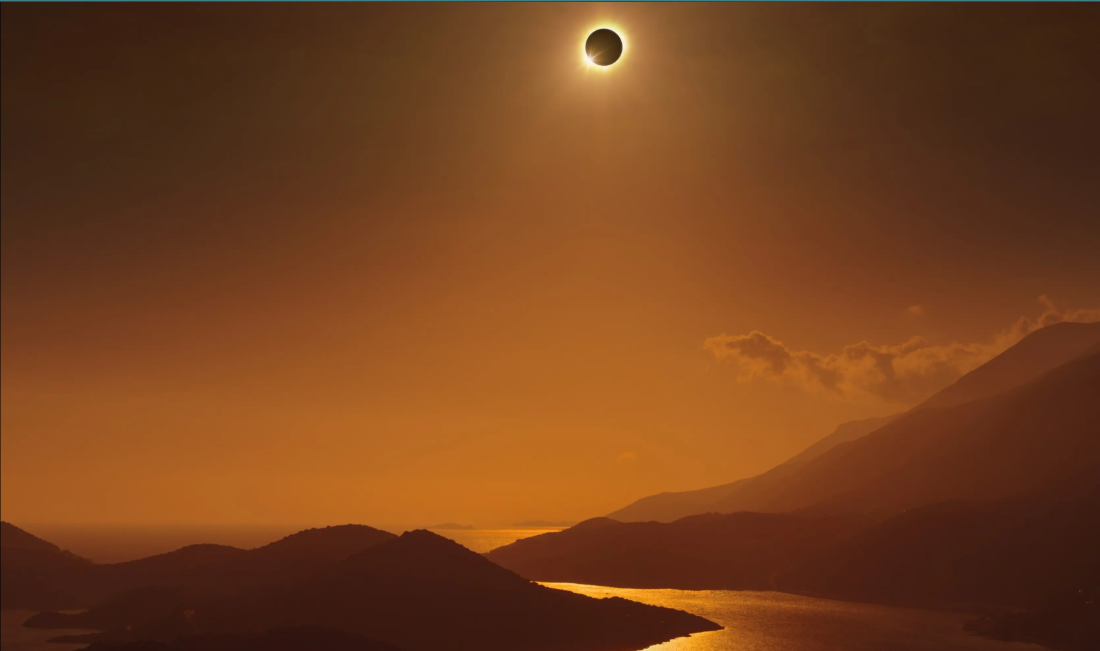
Chasing Totality: The 2026 Solar Eclipse Expedition in Iceland
On August 12, 2026, the Moon’s shadow will sweep across the North Atlantic. True adventurers, however, will not settle for watching it from a city terrace. The Westfjords and the Snæfellsnes Peninsula will become the stage for a cosmic spectacle where Iceland’s untamed wilderness meets the absolute darkness of midday.
The Logistical Challenge: Technical Route Planning
To escape the crowds of Reykjavik and secure a clear line of sight toward the western horizon (where the sun will be positioned low, approximately above the horizon), a technical trekking approach is essential.
- Rugged Routes: In the Westfjords, the terrain is volcanic and fractured. It is recommended to plan ascents to plateaus such as Látrabjarg; here, you will not only stand at Europe’s westernmost point but will have the ocean as a backdrop for the solar corona.
- Critical Gear: This is no casual stroll. High-mountain footwear (Category B/C) is required, along with technical layering (the “eclipse wind” effect can cause temperatures to drop sharply by 5-10 degrees Celsius within minutes) and GPS navigation with detailed offline maps.
Star Destinations: Where Earth Touches the Sky
- Snæfellsnes Peninsula: Known as “Iceland in Miniature.” The Snæfellsjökull volcano offers an unparalleled glacial vantage point. Imagine the Moon’s shadow approaching across the glacier as the sky turns a deep, bruised blue.
- The Westfjords: This region offers the longest duration of totality (nearly 2 minutes and 10 seconds). As the least visited area of the island, it provides a mystical solitude that enhances the spiritual experience of the eclipse.
The 2026 Factor: Technology at the Service of the Experience
- Next-Gen Smartphone Photography: Thanks to computational processing and larger sensors, capturing the solar corona is now possible without professional rigs. Key Tip: Use ISO 12312-2 solar filters on mobile lenses until the second before totality to avoid burning the sensor.
Real-Time Micro-Climates and Satellites: In Iceland, “if you don’t like the weather, wait five minutes.” For the eclipse, using apps like Windy or Vedur.is with real-time satellite cloud cover layers will be the difference between seeing the sun and being stuck under a cloud. Expeditioners must be ready to “chase patches of blue sky” in 4×4 vehicles until the very last moment.