

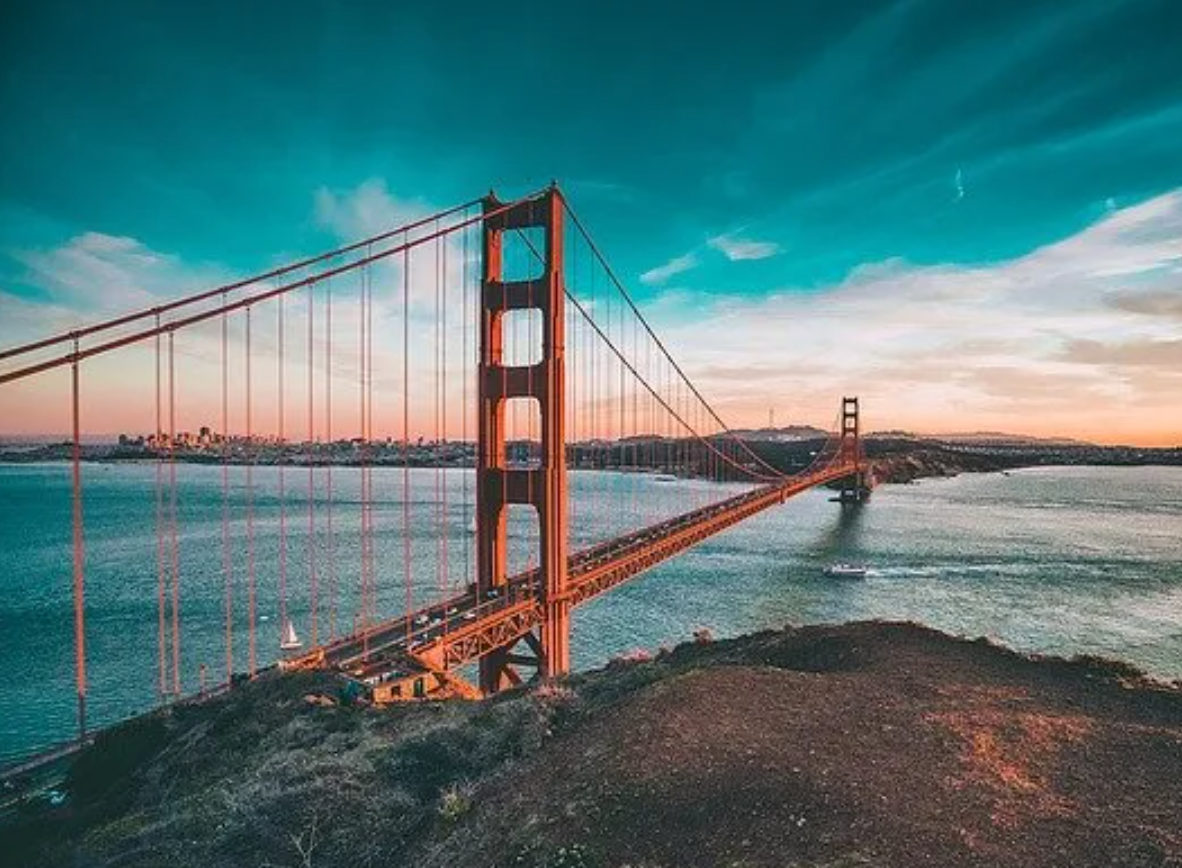
The 2026 World Cup is more than a sporting event; it is the largest human displacement of the decade. On the West Coast, the Pacific Corridor emerges as the most scenic and logistically sound route of the tournament. If you plan to follow your national team between BC Place and Lumen Field, the key is not just arriving, but outsmarting the crowds.
Vancouver: The World Cup’s Green Lung
Vancouver will serve as the premier Canadian host city, where logistics merge with nature.
- Green Urban Exploration: Before the tension of the match, clear your mind in Stanley Park. For 2026, it is recommended to rent e-bikes to avoid the collapse of public transport heading toward the park.
- Pre-Match Ritual: Cross the Capilano Suspension Bridge. On match days, exclusive shuttles will be available for ticket holders, reducing traffic to North Vancouver.
- Pro Logistics: BC Place is in the heart of Downtown. Staying in areas like Richmond and using the SkyTrain’s Canada Line will save you up to 40% on accommodation without sacrificing connectivity.
Seattle: Tech and “Sounder” Passion
Seattle breathes football, and its technological infrastructure will transform the fan experience.
- High-Tech Fan Zones: Forget endless queues. In 2026, Fan Zones near the Seattle Center will utilize biometrics and advanced contactless payments to expedite food and merchandise purchases.
- Pop Culture and Football: Between matches, the MoPOP (Museum of Pop Culture) is a mandatory stop. Special exhibitions linking sports history with the city’s iconic grunge music are expected.
- The Stadium: Lumen Field is famous for its acoustics. Tip: Bring earplugs if traveling with children; the roar of the Seattle crowd is quite literally world-record-breaking.
Smart Connectivity: The Journey is the Destination
Moving between host cities during a World Cup is usually a logistical nightmare. The solution in the Pacific Corridor is sustainable mobility.
Amtrak Cascades (Vancouver ↔ Seattle)
This revamped rail system offers a strategic edge by providing a total bypass of heavy land border traffic. Beyond the logistical ease, it features spectacular coastal views that you simply can’t get from the highway.
Electric Ferries (Puget Sound / Bay)
Operating across the Puget Sound and various Bay areas, these ferries provide a lower carbon footprint for the eco-conscious traveler. They offer a “grand entrance” into city centers, allowing you to avoid the congestion and noise of saturated bus terminals.
“Point-to-Point” Regional Flights (Seattle ↔ San Francisco)
The primary advantage here is the clever use of secondary airports, such as Oakland (OAK) or San Jose (SJC). This allows travelers to reach the Bay Area efficiently while completely avoiding the frequent delays and general chaos of San Francisco International (SFO).
San Francisco & Bay Area: The Grand Finale
While Levi’s Stadium is in Santa Clara, the action will overflow throughout the entire Bay.
- Last-Mile Logistics: Utilize the electrified Caltrain. For the summer of 2026, frequencies will triple on match days, connecting downtown San Francisco to the stadium in record time.
- Sustainability: This route is designed for the conscious traveler. Prioritizing rail and ferries not only reduces stress but supports FIFA’s goal of making this the greenest World Cup in history.