

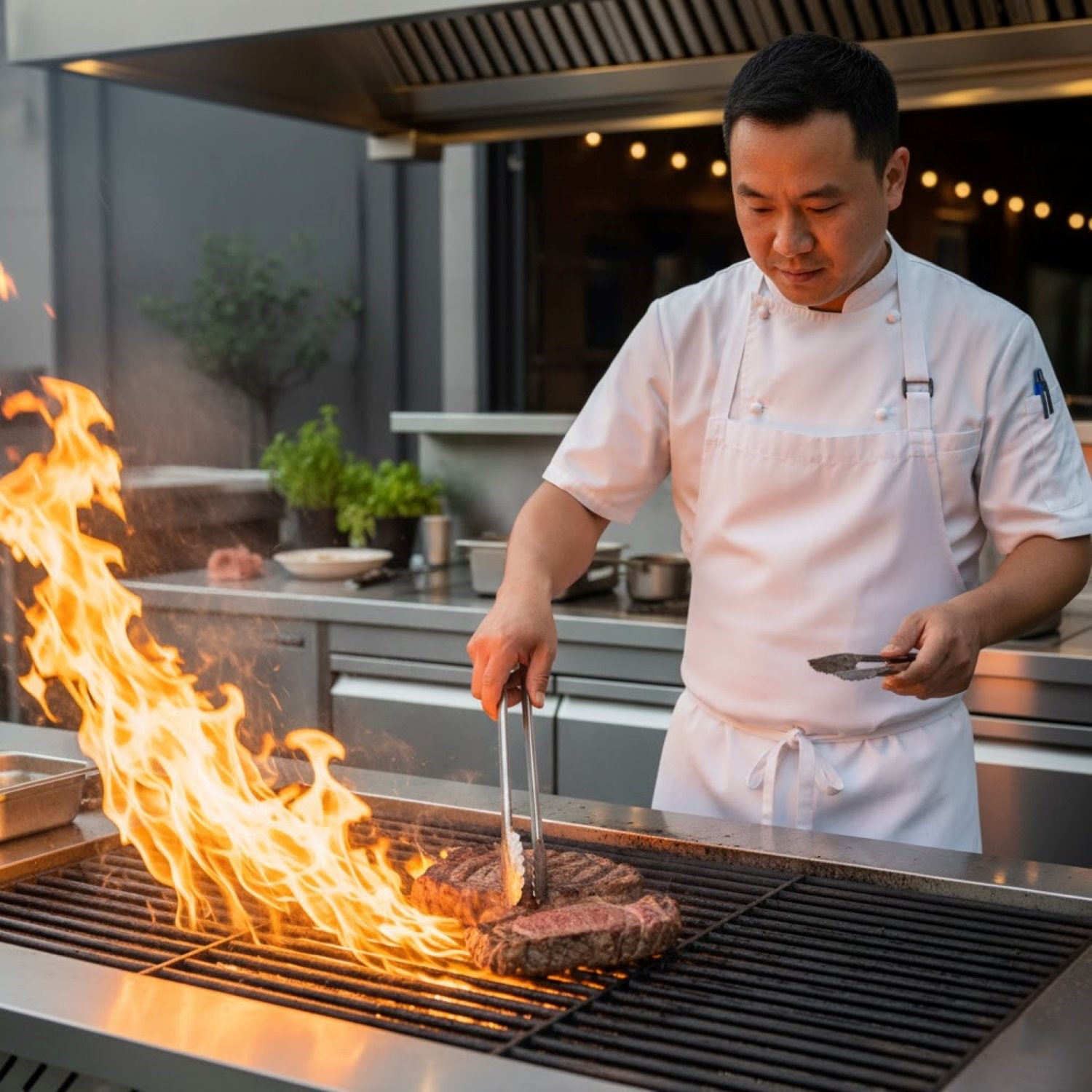
Synthetic Gastronomy: The Year Cultivated Meat Went “Gourmet”
In 2026, the conversation around cultivated meat has undergone a profound transformation. What was once a scientific curiosity discussed in Silicon Valley labs is now a centerpiece of the world’s most exclusive dining rooms. We have moved past the era of “imitation” burgers and nuggets; today, we have entered the age of the “Perfect Cut.”
Synthetic gastronomy is no longer about trying to look like meat—it is about being better than meat.
1. Cultivated Wagyu: Precision Engineering of the “Melt”
Traditional Wagyu is prized for its intramuscular fat (marbling), but even the best rancher cannot control the precise chemical composition of that fat. In 2026, cellular biologists and Michelin-starred chefs are collaborating to design the ultimate steak.
- The 32°C Threshold: Chefs now request “designer cuts” where the ratio of oleic acid (a monounsaturated fat) is precisely calibrated. This ensures the fat begins to liquefy at exactly 32°C (89.6°F)—just below human body temperature—creating a “melting” sensation on the tongue that is physically impossible to achieve with conventionally raised cattle.
- Structural 3D Bioprinting: Using histological blueprints of A5 Japanese Wagyu, 3D bioprinters now layer muscle fibers, fat cells, and blood vessels with micron-level precision. This allows for “impossible marbling” patterns that distribute flavor more evenly than nature ever could.
- Tunable Tenderness: By adjusting the “exercise” (electrical stimulation) of the muscle cells in the bioreactor, producers can control the exact tension of the fibers, offering a texture that is consistently tender without the need for aging.
2. Seoul Tuna: The New Standard for Purity
In the high-stakes sushi markets of Seoul and Tokyo, cultivated Bluefin tuna (toro) has become the gold standard. For the modern connoisseur, “wild-caught” has become a synonym for “contaminated.”
- The “Zero-Contaminant” Guarantee: In 2026, the ocean’s health has reached a critical point. Cultivated tuna is now the preferred choice because it is grown in sterile environments, making it 100% free of microplastics, mercury, and parasites.
- Omega-3 Optimization: Laboratories can now “up-regulate” the production of DHA and EPA fatty acids. A single piece of cultivated otoro (fatty tuna) can now contain three times the heart-healthy oils of its wild counterpart, turning a gourmet indulgence into a functional superfood.
- Consistency in “Toro” Grades: In traditional fishing, finding a perfect “fatty belly” is a matter of luck. In 2026, sushi masters can order a “Grade 10 Toro” with the certainty that every single gram will have the same buttery texture and deep umami profile.
3. The Ethical Shift: From Remorse to Restoration
The year 2026 marks a historical tipping point: for the first time, global meat consumption is decoupled from environmental anxiety. For Generation Alpha and younger Gen Z, eating “Innocent Protein” is a point of pride.
- The Re-Wilding Dividend: As cultivated meat production scales—using 99% less land and 96% less water than traditional ranching—vast territories previously used for grazing are being returned to nature. This “restorative eating” allows diners to know that their meal actively contributed to the reforestation of the Amazon or the return of biodiversity to the Great Plains.
The Death of the “Slaughterhouse Stigma”: The psychological barrier has broken. Meat is now viewed as a high-tech bio-product, similar to artisanal cheese or fine wine. The “industrial farm” is being replaced in the public imagination by the “urban brewery,” where gleaming stainless steel tanks produce high-quality protein in the heart of the cities where it is consumed.