

As Mexico co-hosts the 2026 FIFA World Cup, travelers are looking for ways to balance the stadium adrenaline with authentic local experiences.
CDMX: From Aztec Stadium Euphoria to the Calm of the Sierra Norte
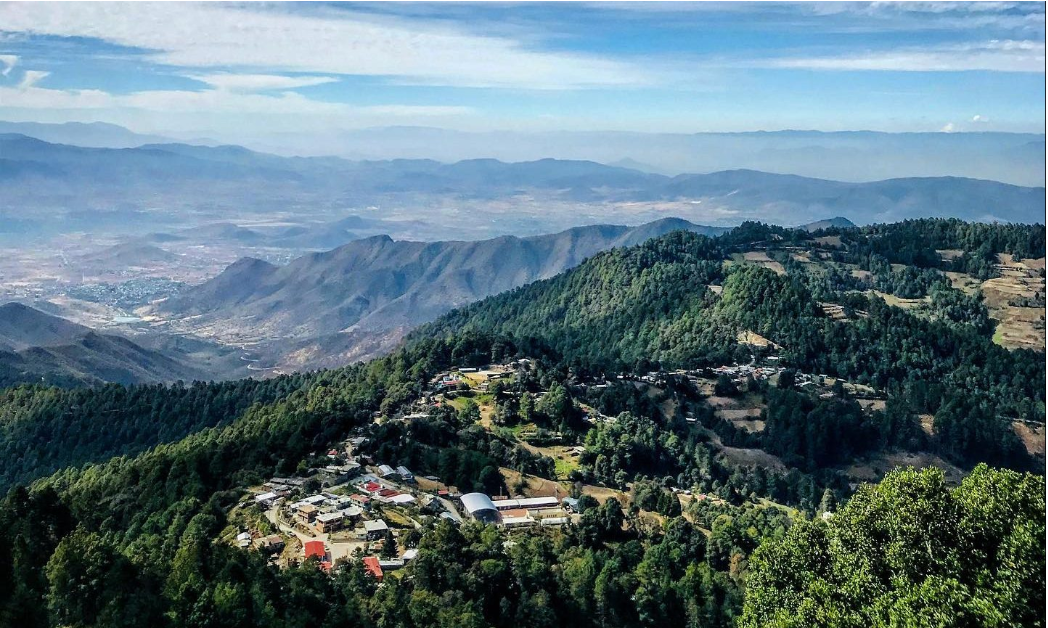
The capital is the ideal starting point. After experiencing the intensity of an opening match, the natural escape route leads south to the Sierra Norte of Oaxaca.
- The Destination: The Pueblos Mancomunados (such as Capulálpam de Méndez).
- Regenerative Experience: You aren’t just a spectator here. You can participate in traditional medicine workshops, community reforestation projects, or learn about the sustainable forest management these communities have protected for centuries.
- Why go: It is the perfect antidote to urban noise. The pure air of the pine-oak forests and Zapotec hospitality offer a total emotional “reset.”
Guadalajara: From Tequila to the “Authentic Nayarit” Coast
Guadalajara is pure tradition, but if you want to escape the crowds of Zapopan, the compass points toward the coast of Nayarit, recently recognized as one of North America’s top destinations for 2026.
- The Destination: San Pancho or Jala (Pueblo Mágico).
- Regenerative Experience: Instead of large resorts, look for projects like EntreAmigos in San Pancho, where tourism supports creative recycling and local education. Alternatively, explore the virgin beaches of southern Nayarit, where sea turtle camps allow travelers to participate in hatchling releases under strict conservation protocols.
- Slow Travel Trend: Swap the taxi for a bicycle and the chain hotel for a boutique inn committed to local consumption.
Monterrey: From Steel to Mountain Guardians
Monterrey dazzles with its modernity and peaks, but the true regenerative escape is found in the routes connecting to the surrounding rural Mexico.
- The Destination: Santiago (Pueblo Mágico) and conservation areas in the Sierra Madre.
- Regenerative Experience: Engage in conscious hiking in Cumbres de Monterrey National Park. Local cooperatives offer bird-watching routes and environmental education, ensuring tourism revenue stays with the families guarding these ecosystems.
- Survival Guide: Use Monterrey as your logistics base, but schedule 2-to-3-day “silence windows” in sustainable cabins to process the match-day adrenaline.
Mexico City → Sierra Norte (Oaxaca)
- Travel Time: 5 hours (Car/Bus)
- Activity Type: Reforestation & Zapotec Wisdom
Guadalajara → Riviera Nayarit
- Travel Time: 3 hours (Car)
- Activity Type: Marine Conservation & Slow Food
Monterrey → Sierra de Santiago
- Travel Time: 45 minutes (Car)
Activity Type: Ethical Hiking & Wildlife Watching