

Citizen Science in Antarctica: Be an Explorer, Not a Tourist
Antarctica is no longer just the final destination on a traveler’s bucket list; it has become the world’s largest and most remote laboratory. In the 2025-2026 season, the travel narrative has shifted radically: the passive spectator has vanished, replaced by the participatory explorer.
Future Navigation: Silence and Sustainability
The experience begins with the vessel itself. A new fleet of low-impact hybrid ships allows for navigation through the planet’s most fragile ecosystems with a minimal acoustic and carbon footprint. Upon entering the waters of the Antarctic Peninsula, the roar of diesel engines fades, replaced by the nearly imperceptible hum of electric propulsion. This silence is a biological necessity, allowing for closer proximity to wildlife colonies without altering their natural behavior.
The Logbook: From Cocktails to Microscopes
Unlike traditional cruises, social life here revolves around the Citizen Science Lab. Travelers collaborate on critical projects:
- Microplastic Sampling: Using fine trawl nets from zodiacs, passengers collect water samples to analyze synthetic particles under the microscope.
- Whale Photogrammetry: By uploading photos of humpback whale flukes to platforms like Happywhale, tourists help biologists track migratory patterns in real-time.
- Phytoplankton and Carbon Sequestration: Water sampling helps researchers understand how warming oceans affect the base of the global food chain.
Adrenaline with Purpose: Key Activities
Kayaking Among Giants in the Lemaire Channel: Paddling through “Iceberg Alley” is an overwhelming sensory experience. In 2026, kayakers carry surface water temperature sensors to feed global climate databases.
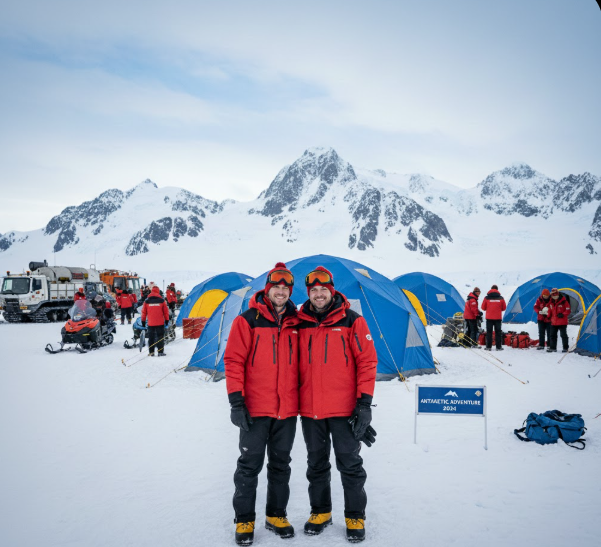
Ice Camping Under the Midnight Sun: Spending the night on the continent is not for everyone. After digging your own snow trench for wind protection, you slide into a thermal bag designed for extreme temperatures. Under the pink hue of the midnight sun, the disconnection is absolute.